 Fans of Formula 1 racing know that the drivers they enjoy watching are the best in the sport and operate seriously advanced vehicles.
But what is the price tag for building, developing, and racing an F1 car? This article explores the cost of the most important parts of a Formula 1 vehicle, their prices, and how the fastest cars on earth are built differently.
Formula 1's Cost Cap
Let's start this off by discussing how budgets work in Formula 1. While teams used to have serious disparities in wealth and spending, with some teams spending over $400 million per year on their vehicles and teams, Formula 1 decided to implement what amounts to a salary cap to keep their teams and events fair. The racing organization has adjusted the salary cap a few times recently, as the amount dropped from $140 million to $135 million in 2023. Now that the budgets are even, let's discuss what teams spend their money on.
High Cost of Aerodynamics
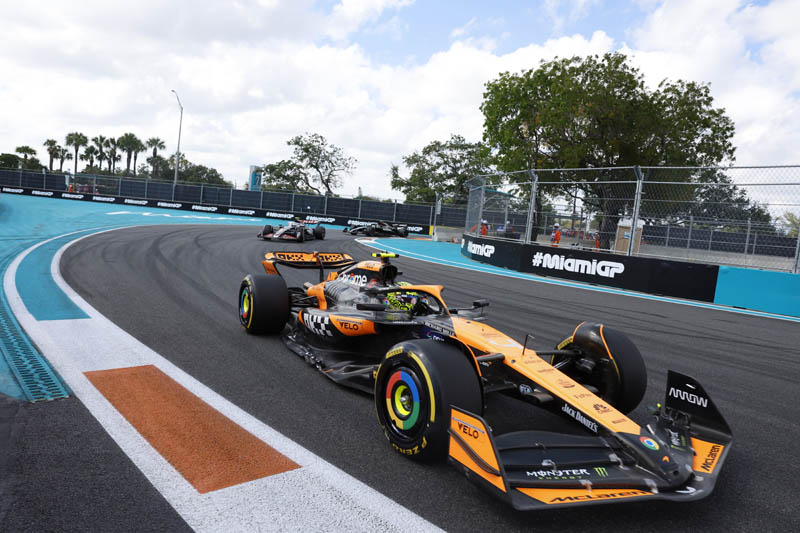
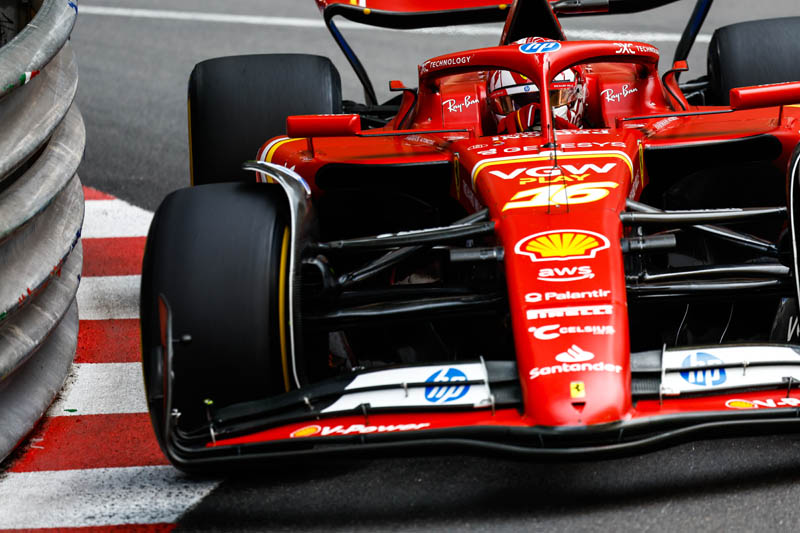
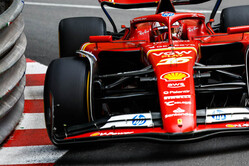
Formula 1 cars can have multiple wings on the front and rear to produce the downforce needed for sufficient traction while racing. These wings are custom-made by the teams and often have unique layouts specific to the vehicle and the driver, all while being made of lightweight but tough materials like carbon fiber. The cost of wings can be around $200,000 to $300,000, depending on the team's wing preferences and design process.
It's worth noting that the amount of money is a drop in the bucket compared to other parts of the car. Formula 1 and its teams have conducted many studies on the impact of aerodynamics on speed and safety, much like BonusFinder conducted a study about what makes the best casinos. They are doing important work for the sport!
 The Engine
One might expect the engine, the most important and technologically advanced part of the Formula 1 car, to be the most expensive part, and they'd be right. The engine can cost upwards of $12 million. While that might sound crazy, keep in mind that just one of the pistons that powers the combustion process can cost $100,000. These are specially designed, of course, and will change shape throughout a race from oval to round as they get hot, all while remaining as light as possible and experiencing severe g-force changes from standard gravity to over 200g. The pistons go through a lot!
The astronomical price of a single piston isn't solely a material cost, though. It relies on expert engineers to get the sizes and tolerances precisely right, as even small problems can cause a driver to lose a race or, worse, even put them in danger if their vehicle suddenly loses power while traveling at hundreds of miles per hour in traffic.
The F1 Body
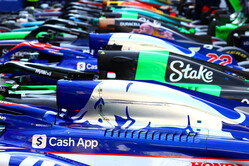
Carbon fiber is costly, usually around $15 per pound before a team starts to professionally mold it into a race-worthy vehicle. Though an F1 car weighs significantly less than most passenger vehicles, the body itself still costs around $600,000. The price is well worth it, of course, because carbon fiber has repeatedly proven to be a material that can withstand the impact of high-speed collisions while having the right weight that allows a Formula 1 car to reach speeds over 200 miles per hour.
Much like the wings on a Formula 1 vehicle, the body is custom-made and intricate, significantly raising the price of developing and manufacturing one capable of racing.
 The Gearbox
Formula 1 vehicles have eight forward gears and a reverse gear. While this sounds like a traditional transmission, this one must be capable of shifting between gears much faster and much more often. An F1 driver who is shifting up and down as they navigate through turns and straightaways can change gears upwards of 2,000 times per race. This is several times more than the average vehicle, even if you are stuck in rush hour traffic!
So, how much does this ultra-fast gearbox cost? Around $350,000, though depending on how teams allocate their money, they can fork out up to $1 million for shifting.
Brakes
Regular drivers like us sometimes postpone changing their brakes because of the cost of pads and replacement. Formula 1 drivers can't. A Formula 1 team can expect to pay around $70,000 for the brake disc and pads that comprise the system to slow them down. Why so much? Well, the brakes are made of a mix of carbon fiber, aluminum, and ceramic to handle serious temperatures as they slow a very fast axle. With following distances often quite close and a narrow track, brakes are rather important!
Drivers and Team
At this point, it might feel like the numbers don't quite add up. While we've discussed some big numbers for engines and wings, we aren't at the cap yet. Part of a Formula 1 budget also goes towards the driver, team, and transportation expenses. Some drivers make more than others, with Max Verstappen from Team Red Bull pulling in a large portion of the team budget at $55 million per year, though other racers like Lewis Hamilton rake in $45 million. These costs reflect the needed skill to successfully drive some of the fastest cars on the planet against the world's best competition.
Conclusion
There's no denying it - Formula 1 cars are pricey! Teams have to balance the price they pay for a driver with their budget spending on serious hardware that handles hard turns, serious speed, and a need for safety. The research Formula 1 teams have completed and their use of advanced materials and knowledge certainly shows up in entertaining and tightly contested races.